Deltrain in the Field
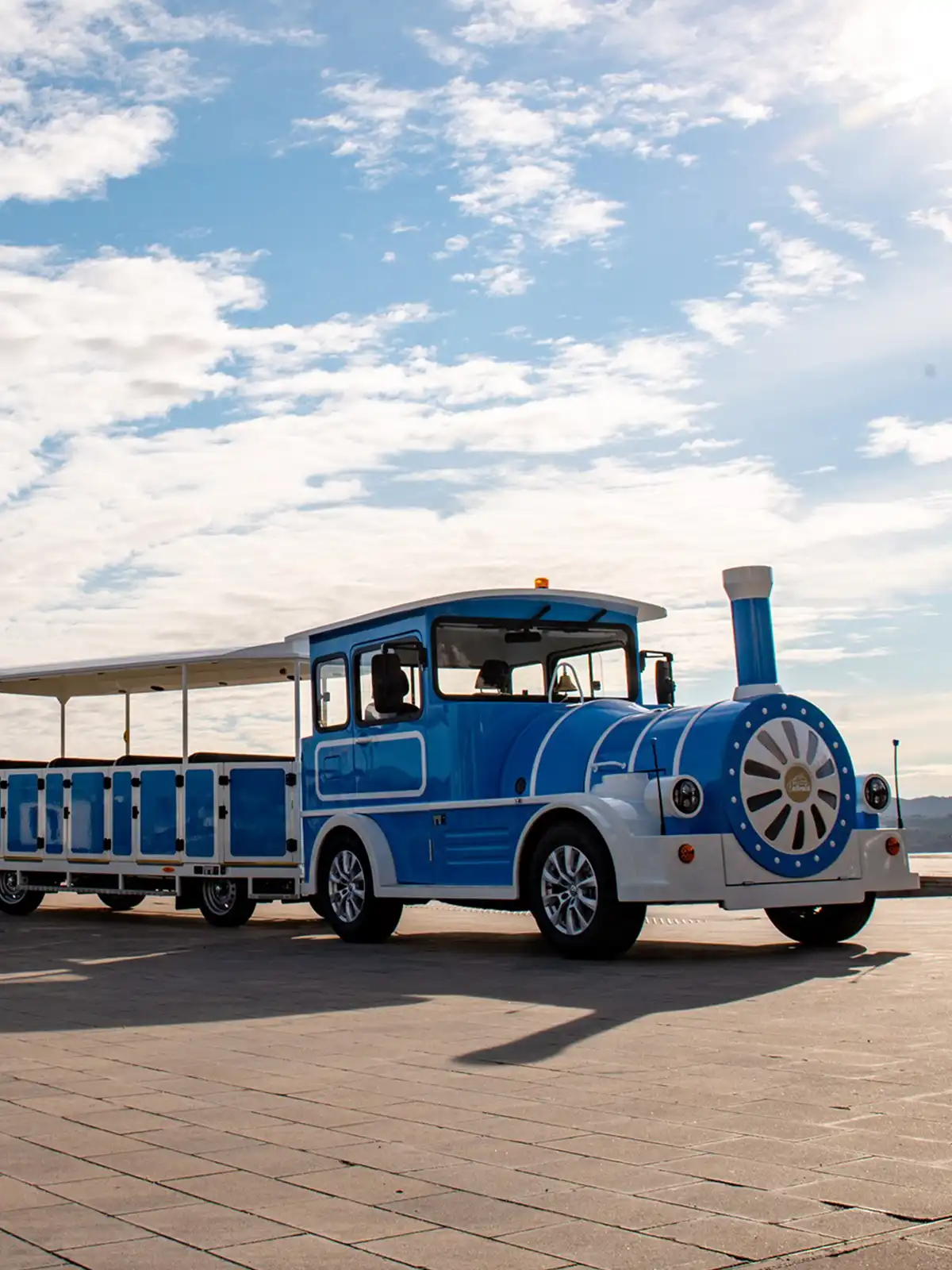
Tourist train projects at zoos, wildlife parks, resorts, and coastal cities worldwide. Every Deltrain installation below is in daily service today.
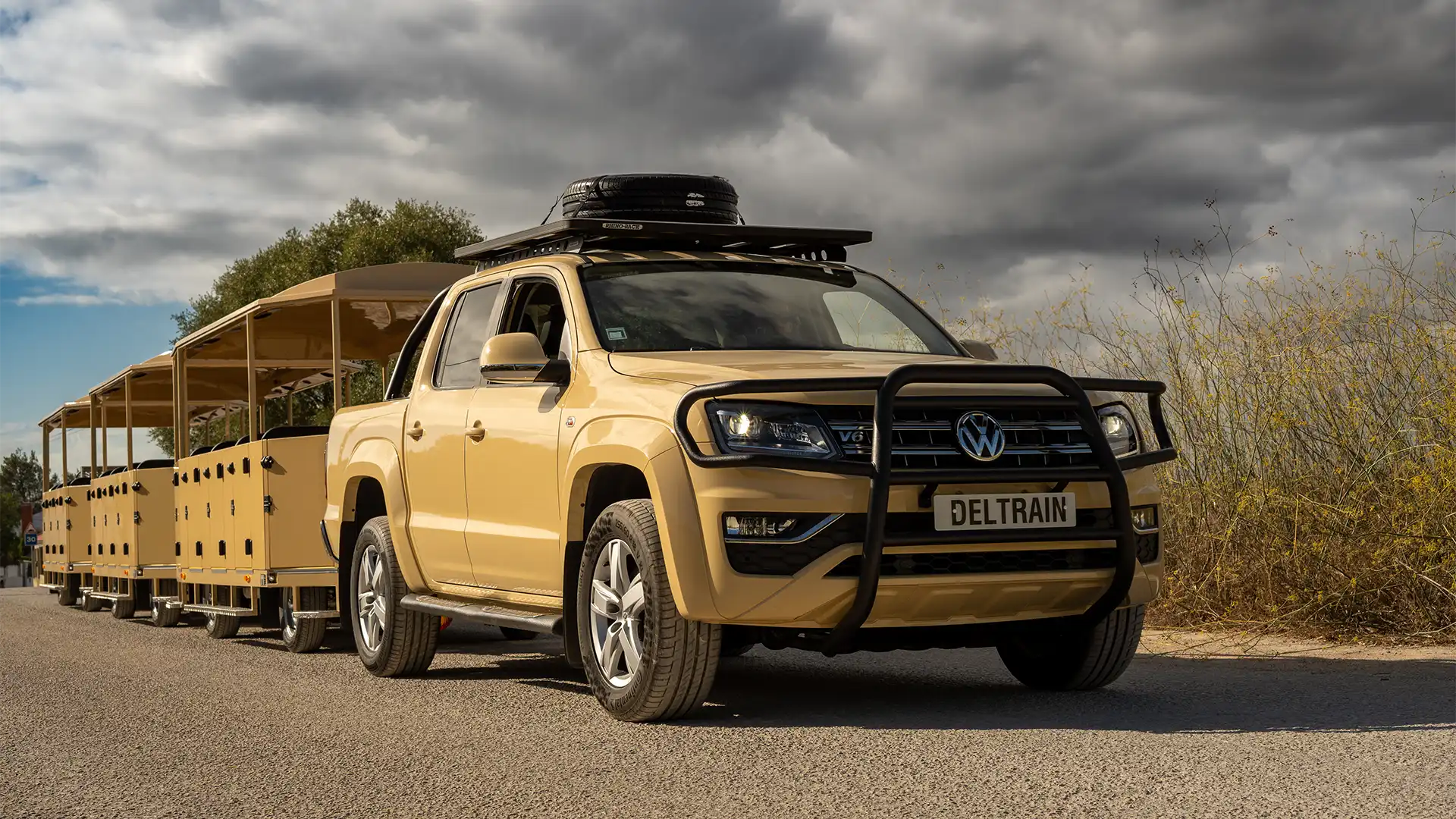
Rydges Resort Hunter Valley runs a daily air-conditioned Deltrain Kangaroo Tour across its grounds — golf course, vineyard, equestrian centre, solar farm, and free-roaming kangaroos. The tour departs every morning at 9:00 am, year-round. The resort is operated by Schwartz Family Co., one of Australia’s leading independent hospitality groups.
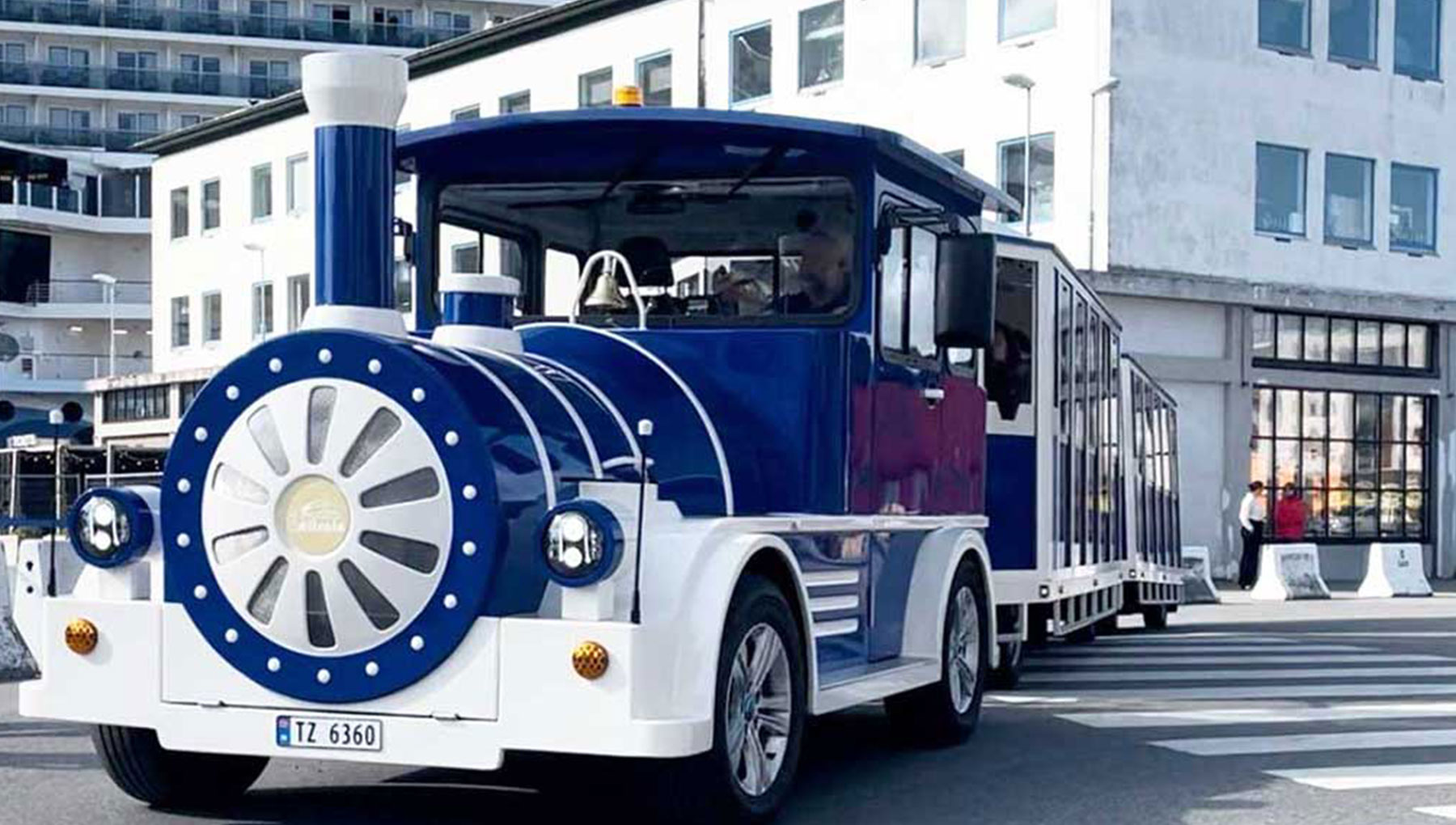
Norway’s leading sightseeing train operator replaced its aging fleet with Deltrain Tagus trains serving cruise ship passengers in two scenic coastal cities. Phase one — two trains — entered service in early 2025. The full four-train fleet will be operational by end of year.
Taronga Zoo Sydney chose a custom all-electric Deltrain Delga EV with luxury Diamond wagons to carry visitors through its 28-hectare grounds above Sydney Harbour. Zero-emission operation directly reflects the zoo’s conservation mission. Free for zoo members; AUD $5 per trip for all others.
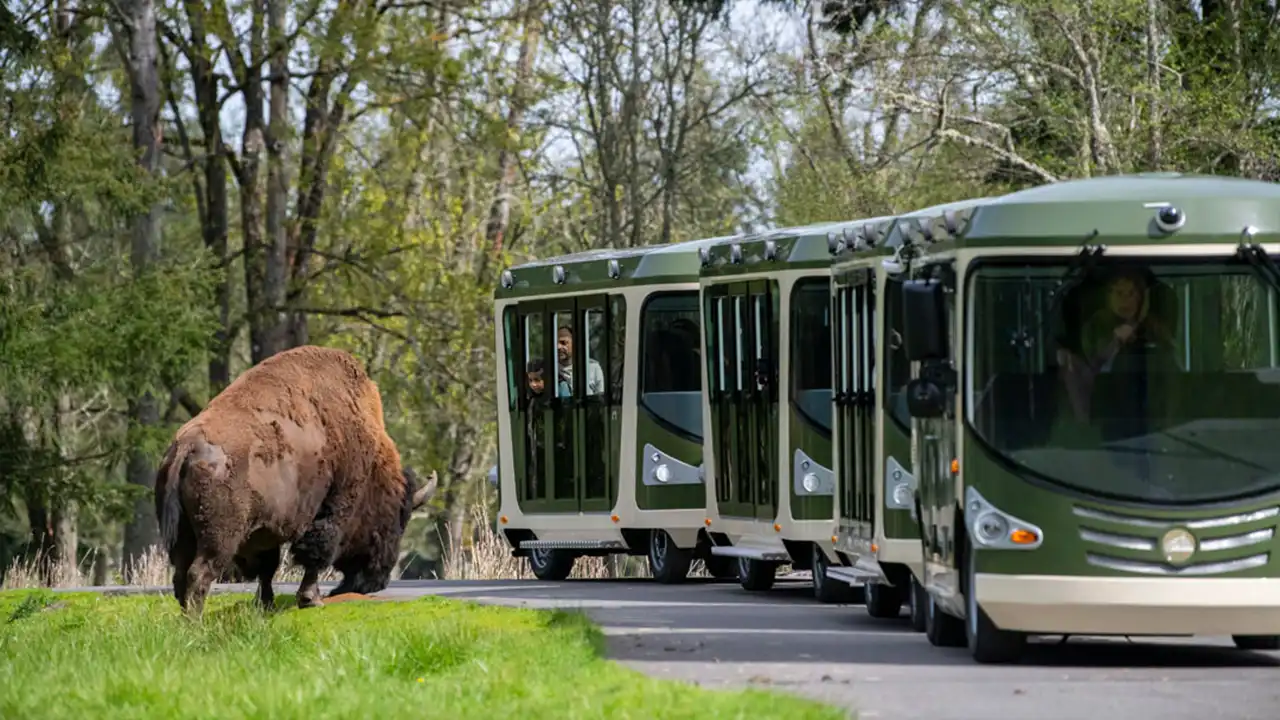
Metro Parks Tacoma replaced propane trams with six new electric Deltrain vehicles at Northwest Trek — a USD $2 million project, the largest capital investment since the park opened in 1975. The trains carry visitors through a 435-acre free-roaming area with bison, moose, mountain goats, and elk. The new tour station won the 2025 AZA Significant Achievement Facility Award for design and sustainability.
The tourist train projects below are part of the official Deltrain reference network. Each operator selected Deltrain through a structured evaluation and operates the system in daily service. Not all projects can be publicly displayed due to private or municipal contract terms.
Because many installations operate under private or municipal contracts, not all projects can be publicly displayed.
Deltrain tourist trains in operation across city centers, coastal routes, safari parks, and resort environments. Each video shows a live installation running in its actual setting.
Vienna, Austria — City sightseeing route
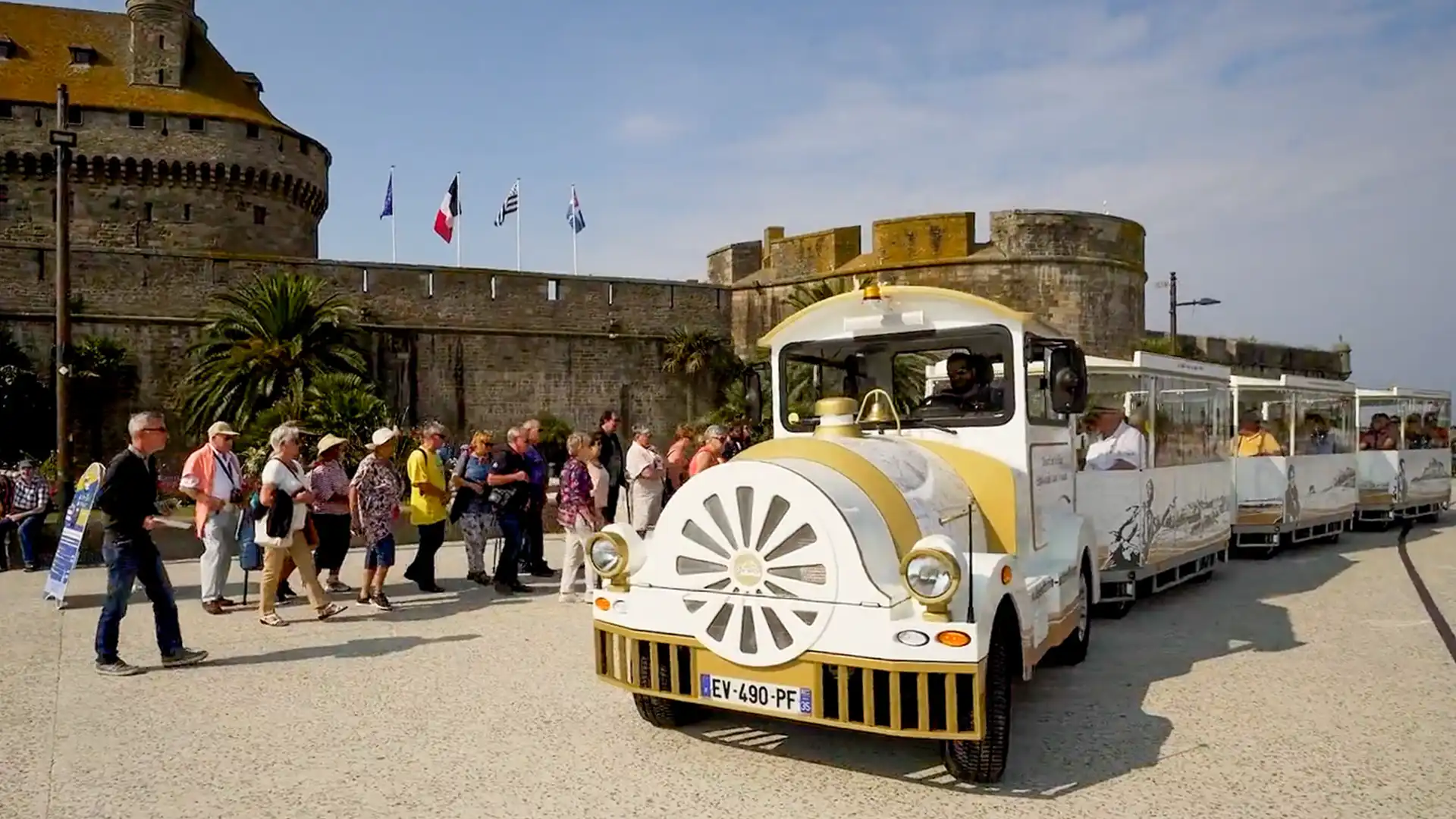
Saint-Malo, France — Coastal tourist train route
Sainte-Maxime, France — Coastal resort sightseeing
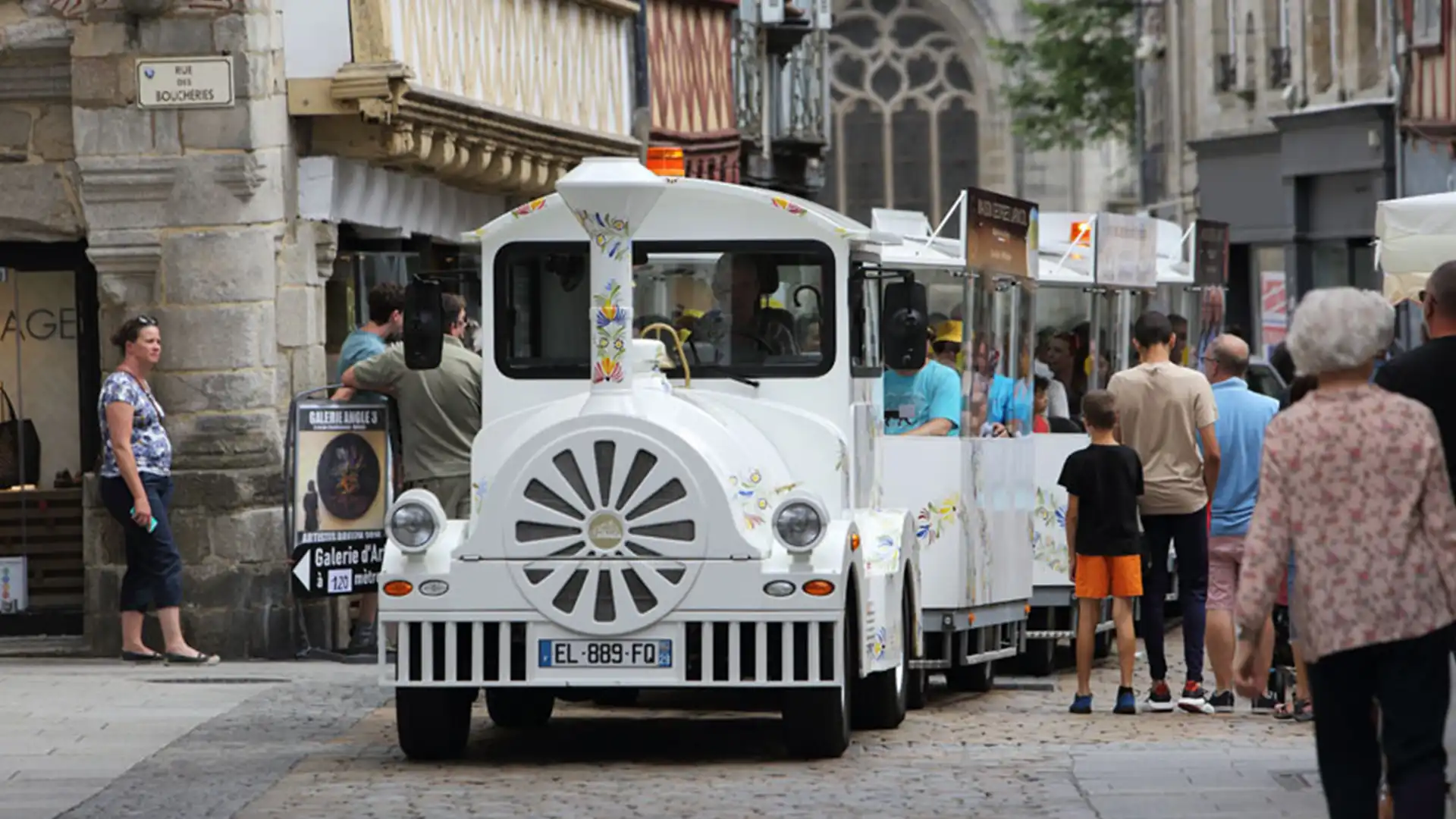
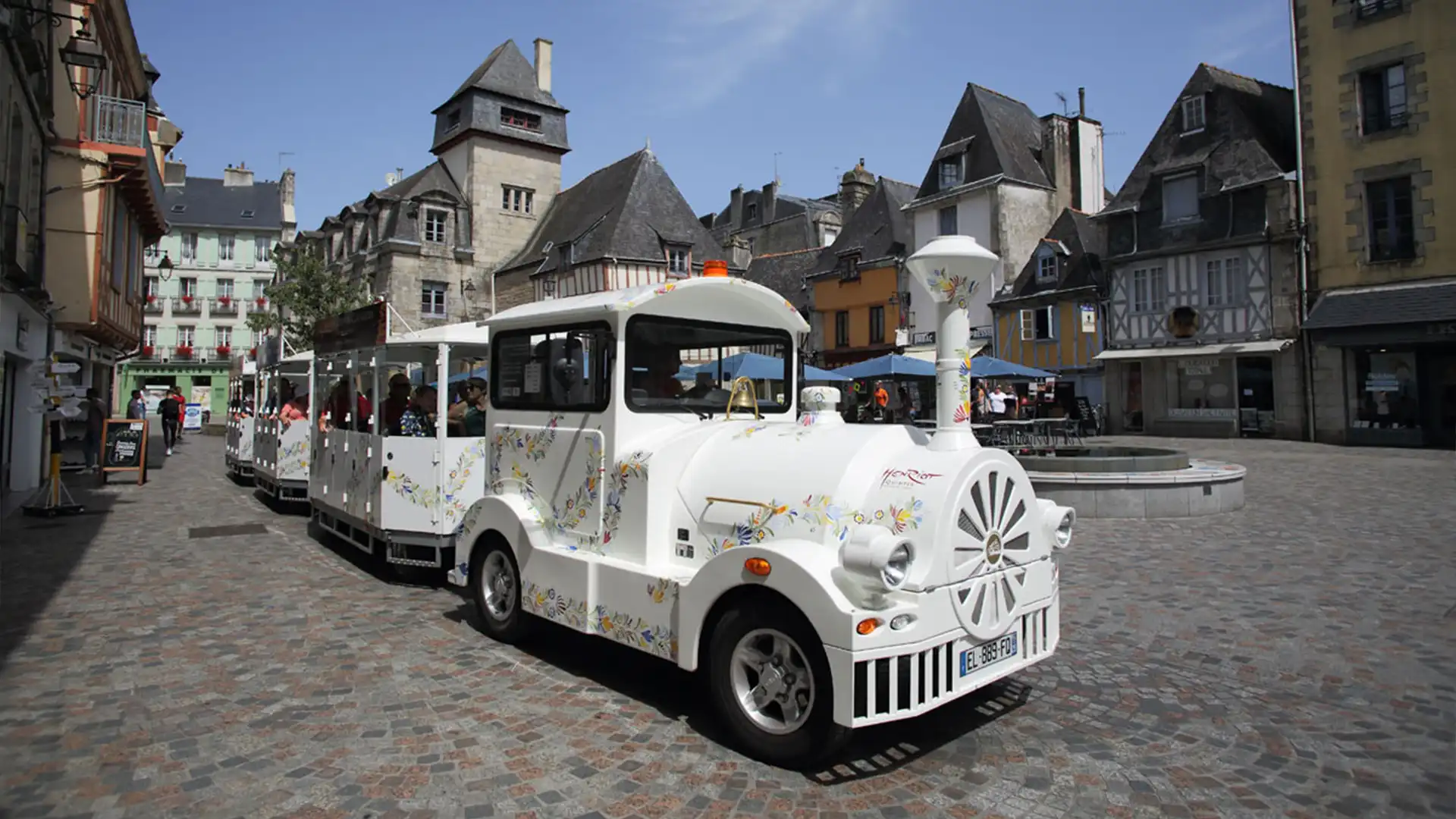
Quimper, France — Historic city centre tour
Lyon, France — Urban park & waterfront circuit
Durbuy, Belgium — Old town tourist route
Monde Sauvage, Belgium — Off-road safari park train
Avignon, France — City centre sightseeing route
A tourist train project is the planning, procurement, and deployment of a commercial passenger train system for a defined route. These systems, also called land trains or road trains, carry visitors through parks, zoos, historic city centers, resorts, and tourist attractions without fixed track infrastructure. A project typically covers route assessment, train configuration, regulatory compliance, and operator training before the first day of service.
Tourist trains and land trains operate wherever pedestrian distances are too long for comfortable visitor flow. Common environments include wildlife parks, zoological gardens, resort properties, coastal sightseeing routes, historic city centers, and theme parks. Each setting has different requirements for terrain, passenger capacity, and daily operating hours, which determines the platform and configuration selected.
Planning starts with route assessment: total distance, surface conditions, gradient, and turning radius at each stop. Operators then define peak passenger volume, operating hours, and seasonal patterns to determine the right train platform and wagon count. Regulatory requirements, including road-legal certification for public routes, are addressed during the configuration phase before any procurement decision is made.
Route length and surface type determine the locomotive platform. Passenger volume and service frequency determine the wagon count and seating configuration. Terrain and gradient affect whether an EV or diesel-powered platform is the right choice. Branding, accessibility requirements, and climate conditions influence wagon type selection. Each of these factors is evaluated before a configuration is proposed.
Lead time depends on the train platform, wagon count, and any custom configuration required. Standard configurations typically ship within four to six months of order confirmation. Custom bodywork, air conditioning systems, or specialized accessibility features extend that timeline. Regulatory approval for road-legal operation adds time in markets that require type certification. The Train Company provides a project timeline as part of the initial proposal.
Page loading